
Maximize Your Parking Lot's Lifespan with Crack Filling

Parking lots are often the unsung heroes of any property, providing essential space for vehicles while contributing to the overall aesthetic and functionality of the area. However, like any other outdoor surface, parking lots are susceptible to wear and tear, particularly from the elements and heavy traffic. One of the most common issues that arise is cracking. Fortunately, crack filling is an effective solution that can significantly extend the lifespan of your parking lot. In this post, we will explore the importance of crack filling, the process involved, and how it can save you money in the long run.
Understanding the Importance of Crack Filling
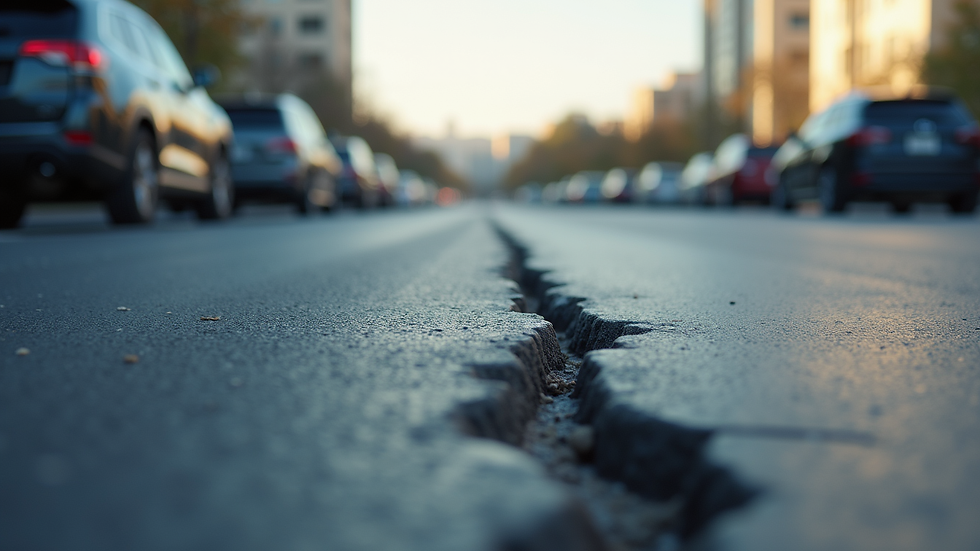
Cracks in your parking lot can lead to a host of problems if left untreated. Here are some reasons why addressing these cracks promptly is crucial:
Preventing Water Damage
Water is one of the primary culprits behind the deterioration of asphalt surfaces. When water seeps into cracks, it can freeze during colder months, causing the cracks to expand and worsen. This cycle of freezing and thawing can lead to significant damage over time. By filling cracks, you create a barrier that prevents water from penetrating the surface.
Enhancing Safety
Cracks can pose safety hazards for pedestrians and vehicles alike. Uneven surfaces can lead to trips and falls, while larger cracks can damage tires or cause accidents. Regular maintenance, including crack filling, helps to keep your parking lot safe for everyone.
Improving Aesthetics
A well-maintained parking lot enhances the overall appearance of your property. Cracks and potholes can create a negative impression, suggesting neglect. By investing in crack filling, you not only improve safety but also boost the visual appeal of your space.
Saving Money
Neglecting cracks can lead to more extensive damage, requiring costly repairs or even complete resurfacing. By addressing cracks early on, you can save a significant amount of money in the long run. Regular maintenance is a small price to pay compared to the potential costs of extensive repairs.
The Crack Filling Process
Understanding the crack filling process can help you appreciate its importance and effectiveness. Here’s a step-by-step breakdown:
Step 1: Inspection
Before any work begins, a thorough inspection of the parking lot is necessary. This involves identifying the size and extent of the cracks. Smaller cracks may require different treatment than larger ones.
Step 2: Cleaning
Once the inspection is complete, the next step is to clean the cracks. This typically involves removing debris, dirt, and vegetation from the cracks to ensure proper adhesion of the filler material. A wire brush or high-pressure air blower can be used for this purpose.
Step 3: Filling
After cleaning, the cracks are filled with a suitable crack filler. There are various types of fillers available, including hot pour and cold pour options. Hot pour fillers are heated and then applied, while cold pour fillers are ready to use straight from the container. The choice of filler depends on the climate and the size of the cracks.
Step 4: Smoothing
Once the filler is applied, it is smoothed out to ensure a level surface. This step is crucial for maintaining the integrity of the parking lot and preventing future issues.
Step 5: Curing
After filling and smoothing, the filler needs time to cure. This can take anywhere from a few hours to a couple of days, depending on the type of filler used and the weather conditions. During this time, it’s essential to keep vehicles off the repaired area to allow for proper curing.
Choosing the Right Crack Filler
Selecting the appropriate crack filler is vital for the success of the repair. Here are some factors to consider:
Type of Cracks
Different types of cracks require different fillers. For example, hairline cracks may only need a sealant, while larger cracks may require a more robust filler.
Climate
The climate in your area can also influence your choice of filler. In colder climates, a hot pour filler may be more effective due to its flexibility and durability.
Traffic Load
Consider the amount of traffic your parking lot experiences. Heavily trafficked areas may require a more durable filler to withstand the pressure.
Maintenance Tips for Longevity
Once you’ve filled the cracks, maintaining your parking lot is essential for ensuring its longevity. Here are some tips:
Regular Inspections
Conduct regular inspections to identify new cracks or signs of wear. Early detection can prevent more extensive damage.
Sealcoating
Applying a sealcoat every few years can protect your parking lot from the elements and extend its lifespan. Sealcoating creates a barrier against UV rays, water, and chemicals.
Prompt Repairs
Address any new cracks or damage as soon as they appear. The longer you wait, the more extensive the damage can become.
Proper Drainage
Ensure that your parking lot has proper drainage to prevent water accumulation. Poor drainage can lead to cracking and other issues.
Conclusion
Crack filling is a crucial aspect of parking lot maintenance that can significantly extend its lifespan. By preventing water damage, enhancing safety, improving aesthetics, and saving money, it is an investment worth making. Regular inspections and prompt repairs will help keep your parking lot in top condition. Don’t wait for cracks to worsen; take action today to maximize the lifespan of your parking lot.
By prioritizing crack filling and maintenance, you can ensure that your parking lot remains a safe and attractive space for years to come.
Comments